win-herastrau-win-real-estate
win%20real%20estate
win-gallery-win-alliance
win-gallery-alb
win-brokers-broler-bucuri-de-lux
win-brokers-white
win-tireanu-motorsport-win-alliance%20copy
win-motorport-logo-alb

WIN Alliance Affinities

Director and composer ALEXANDER GELUK

Some musicians shape an interpretation; others reshape the way an audience experiences music itself. Dutch conductor and composer Alexander Geluk is one of the finest representatives of the new wave of European classical musicians and was invited as the first international conductor for the „Stradivarius at the Cantacuzino Estate” Festival.  

Recognized for his refined musical perspective and expressive clarity, he reflects on the delicate balance between conducting and composing, the responsibility of interpreting the classical repertoire, and the enduring power of music to transcend borders, cultures and generations.

WIN Alliance: Musician Răzvan Stoica, together with the Kamerata Stradivarius ensemble, is part of one of the most dynamic classical music projects on the contemporary European scene. How did you meet, and what is the secret to this successful professional partnership?  

ALEXANDER GELUK: Oh, this is such a good question, and the answer is filled with so many memories. We are going long back; we probably have more than 20 years of friendship and professional relationship. Andreea and Răzvan introduced themselves to me 20 years ago (precisely in 2006), at that time, as young, talented, virtuoso soloists. And I was deeply impressed by them and their musical abilities. They really stood out. And when Răzvan was studying during that time in Amsterdam, he was already a great virtuoso! I was really in contact with them from the very beginning and we worked together in different orchestras; we had different concerts in Holland. 


alexander-geluk alexander-geluk

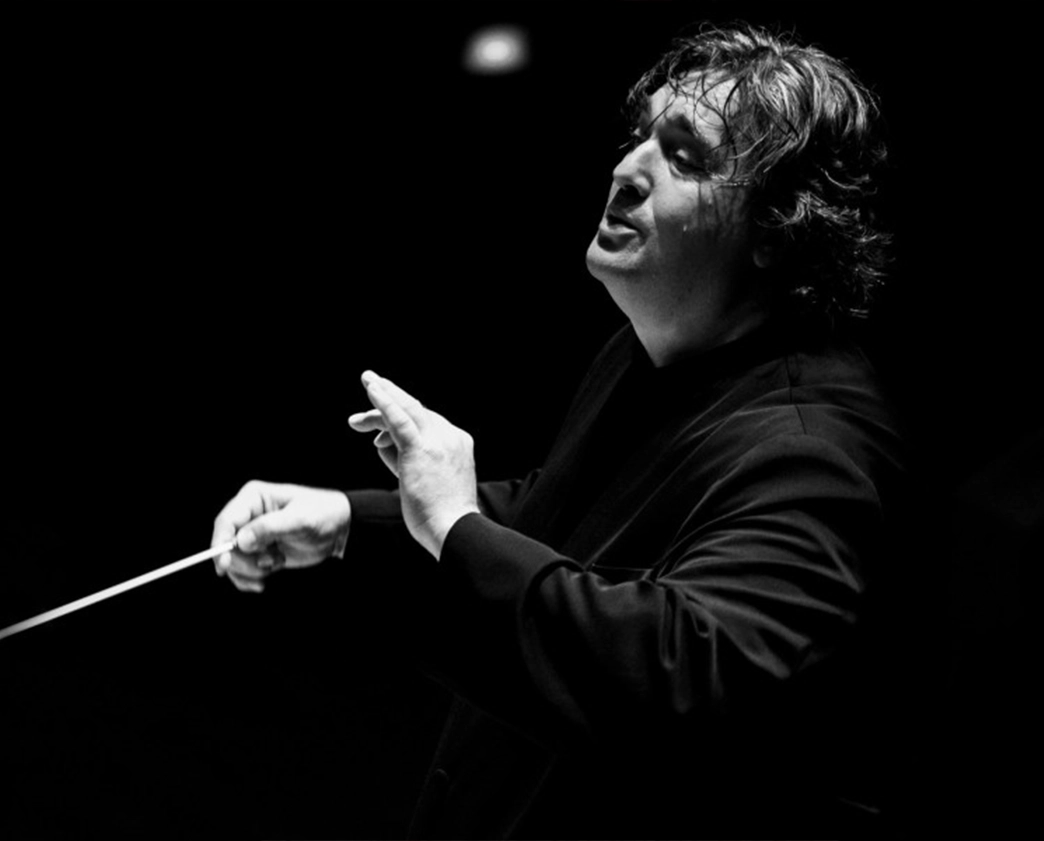
Conductor Alexander Geluk during a concerto in the Netherlands

WIN Alliance: You have also created and recorded music together with Răzvan and released a worldwide CD with classical music?  

A.G.: Yes, in 2011 - 2012 we joined our creativity and, together with Răzvan we recorded a CD with a very good Polish orchestra, the Beethoven Academy Orchestra. And the CD, with „Rondo Capriccioso”, and „Lalo – Symphonie Espagnole” and many more, was a success, and it was well received in Romania. 


WIN Alliance: The “Stradivarius at the Cantacuzino Estate” Festival turned the classical music concert paradigm on its head—it brought the instruments outdoors and offered the audience a chance to take a breather in an iconic setting. What is your impression of these concert series?  

A.G.: I was so happy when Răzvan Stoica invited me to join the Kamerata Stradivarius and have a concert together with Andreea at the Cantacuzino estate. He loves and appreciates the people of the Kamerata, and I know this, because he is very loyal to them. From this perspective, he's not only a great violinist, and an outstanding soloist, but let`s not forget that he is also treating people with respect, and sometimes that’s rare to see at his level. 

Of course, as an external conductor, I hear the great quality of the sound they give, and that’s why it’s great to handle the orchestra and also an honor to play with them. But what I enjoyed also very much in these couple of days was the energy of this place, the beautiful nature you have here and how well it integrates classical music. It`s like this place was made for open air concerts.   

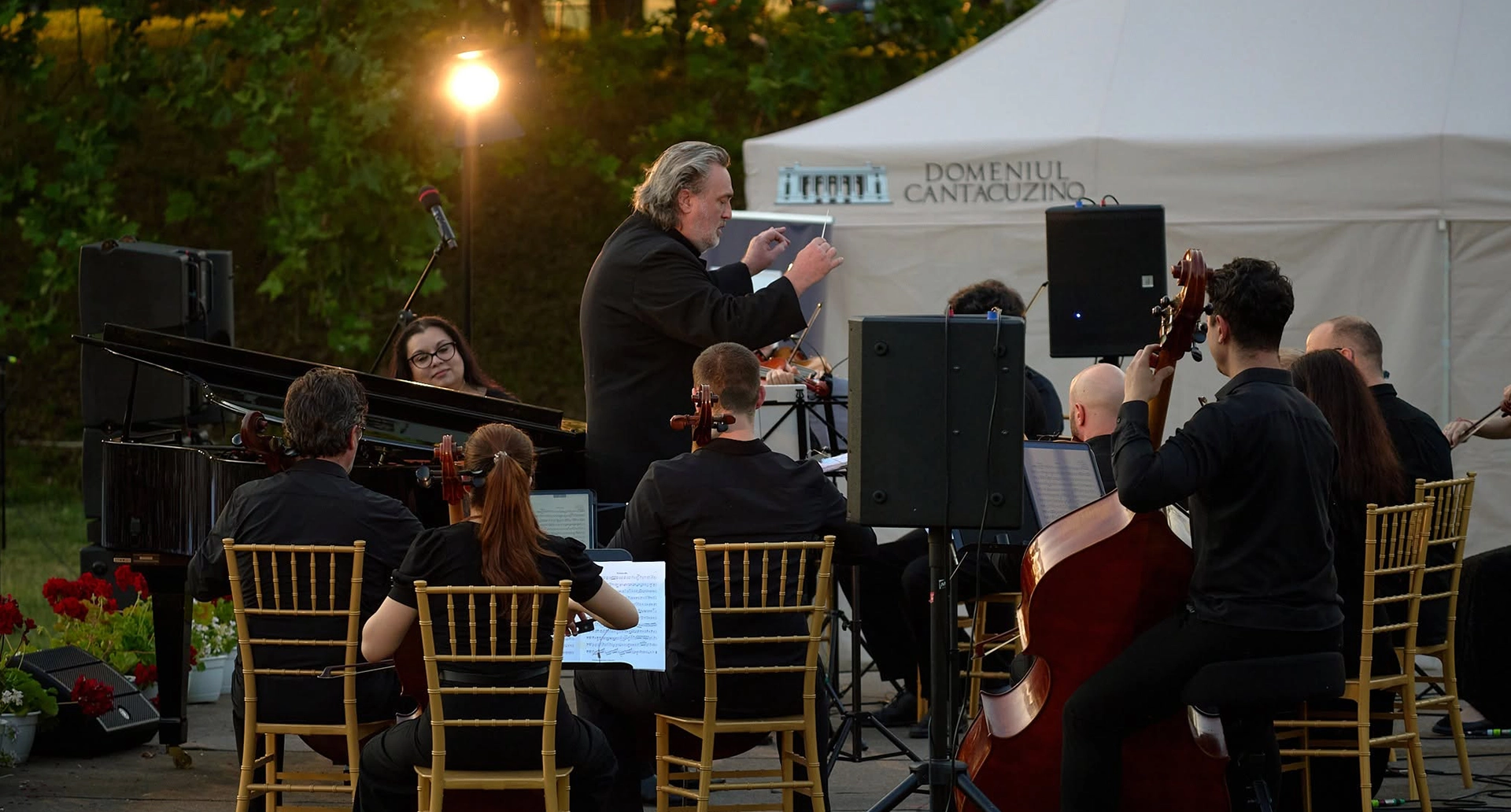
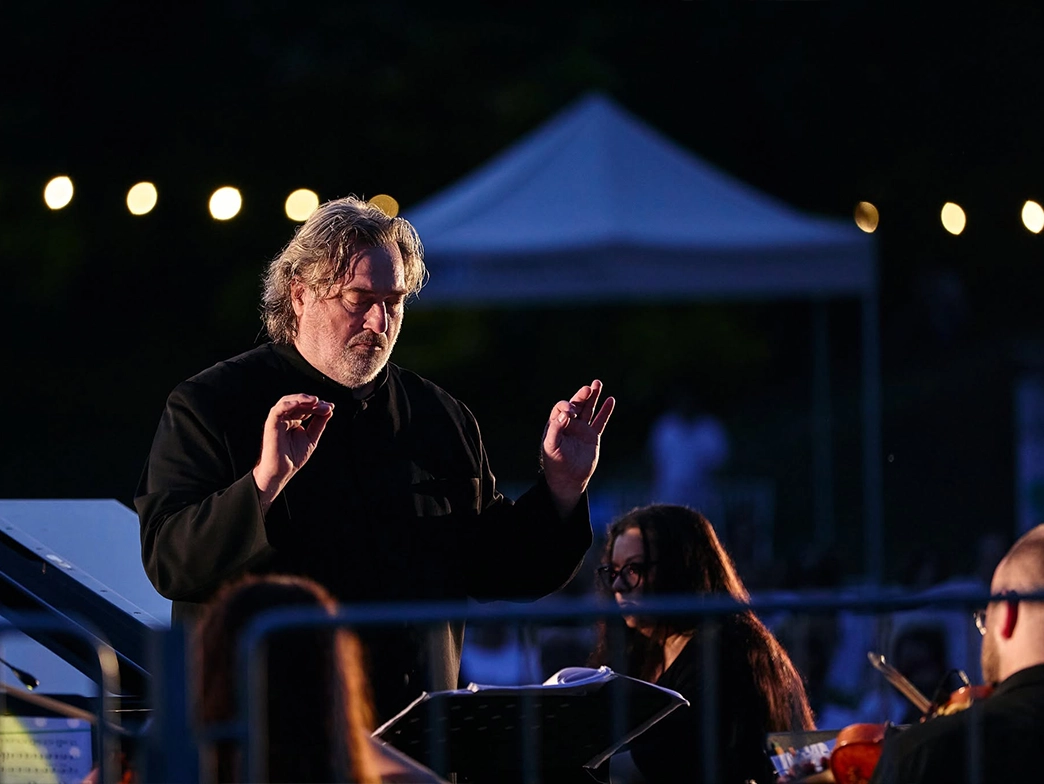
Conductor Alexander Geluk during the „Stradivarius at the Cantacuzino Estate” concert (Romania, June 2026) 

WIN Alliance: A conductor is often described as the invisible architect of a musical performance. How would you define your own artistic signature?

A.G.: Actually, composers are the „architects”, because composers are creators of the texture. They are really the architectural masters, in that sense, creating the inner structure of the composition. Of course, conductors can tell, by how the music was designed, how these blocks need to be handled. So, if you have an inner voice integrated into a piece, one conductor can say, „Well, it's an inner voice, it's not so important. Let's focus on the main melody, on the melodic line”. So, they give the melody maybe a „forte”, when the inner voice calls perhaps for a „mezzo forte”, which is less loud. But you can also choose differently, as a conductor. You can say: „We have the main melody. We have these parts; we have a repeated melody; let’s give a bit more „forte” to the inner voice, the second time to have the ear focus more on that beauty. And in that sense, we are also redoing the architecture, but in the end, we are just humble servants of the actual meaning behind the music that was given by the composers. 

dirijorul-alexander-geluk-03 dirijorul-alexander-geluk-03

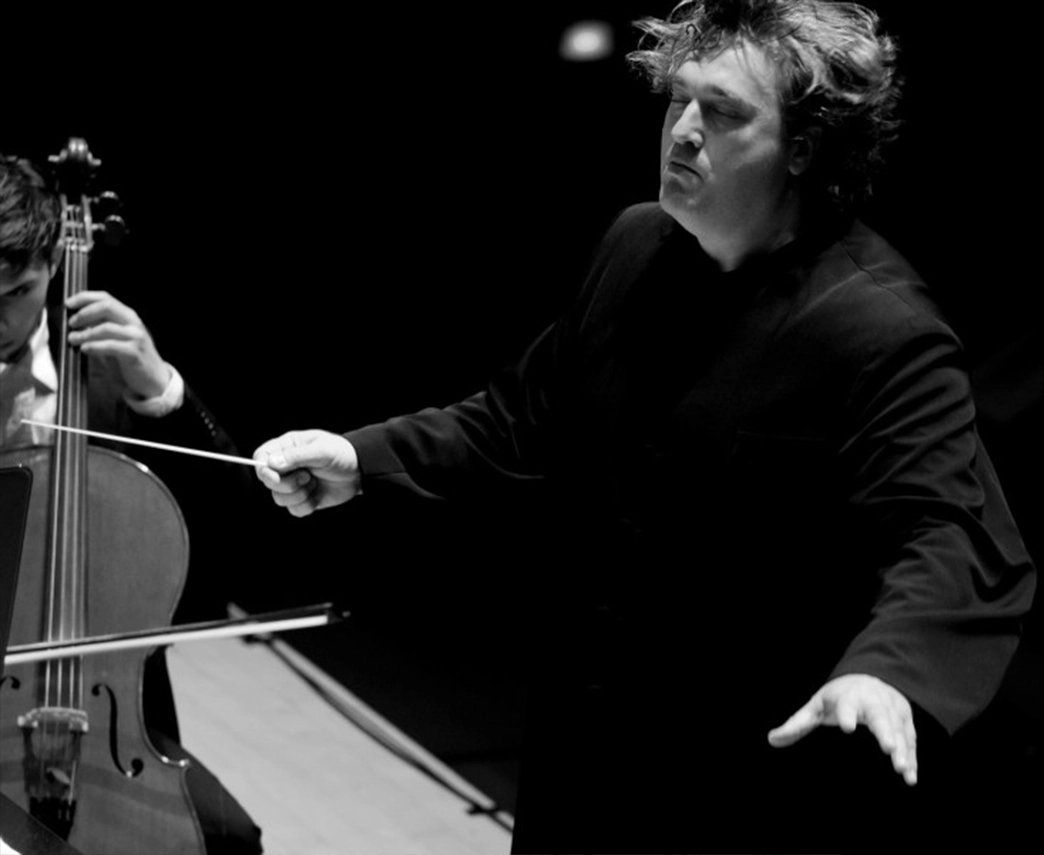
Conductor Alexander Geluk during a concerto in the Netherlands

WIN Alliance: The dialogue between conductor and orchestra is built on trust. You have been a conductor for many years, and you have managed to conduct successfully all over Europe. How do you build that trust, particularly when working with ensembles you begin conducting for the first time?

A.G.: As I have said, as conductors, we are simply the servants of the composers, servants of the orchestra. Without the orchestra and the music, we are alone, we are nothing. So we should never forget this. Some orchestras, some events need a conductor to be effective, because in this setting, when a piano is right in the middle of the stage, with the entire orchestra around it, the musicians cannot see each other. So, this is one of the instances when you need a conductor per se, because it's not possible otherwise. And the other reason is that, when you have a very busy program – and Kamerata has three concertos scheduled this week, which is too much sometimes – it takes time and extra rehearsals to build the hearing, the auditive senses, the rhythm of the other musicians around you. And this makes people more tired and sometimes even irritable. A conductor can be efficient, in the sense that it can give them trust, consistency and direction. 


WIN Alliance: What is your take on Romania’s classical music scene? And what are your ties to Romania? Is this the first time you come here? 

A.G.: No, it’s the second time. As I have mentioned previously, we had this event in Poland, with an excellent studio, which, at that time, was one of the most sophisticated recording studios in Europe. It was also used by Hollywood sound-mixing specialists. We recorded this amazing CD, and we had to mix it, and because the sound engineer was Liviu Elekes, a very talented Romanian sound engineer, we decided to finish the mixing in Bucharest.  So, that was the first time I came to Romania, must have been in 2011. 

As for the other part of the question, I have never had the chance to conduct an orchestra here, before this event. The classical music here in Romania is very different from the one in the Netherlands, but to be honest, I am not completely familiarized with it. There are a lot of great things happening here, but Europe doesn't know about it, because Romania doesn't excel at its promotion.  This is where Răzvan Stoica and the Kamerata Stradivarius come into play, they make amazing things happen here. They have the guts to do it, which is rare in this field, because they take a lot of risks to set up things. They go to people that handle the administration of various concerto buildings, they have discussions, negotiations, they set up organizing teams. They have to find the logistics and the equipment and so, so many other details. But this has brought a lot of respect to them, both in the country but especially outside, in Europe. 

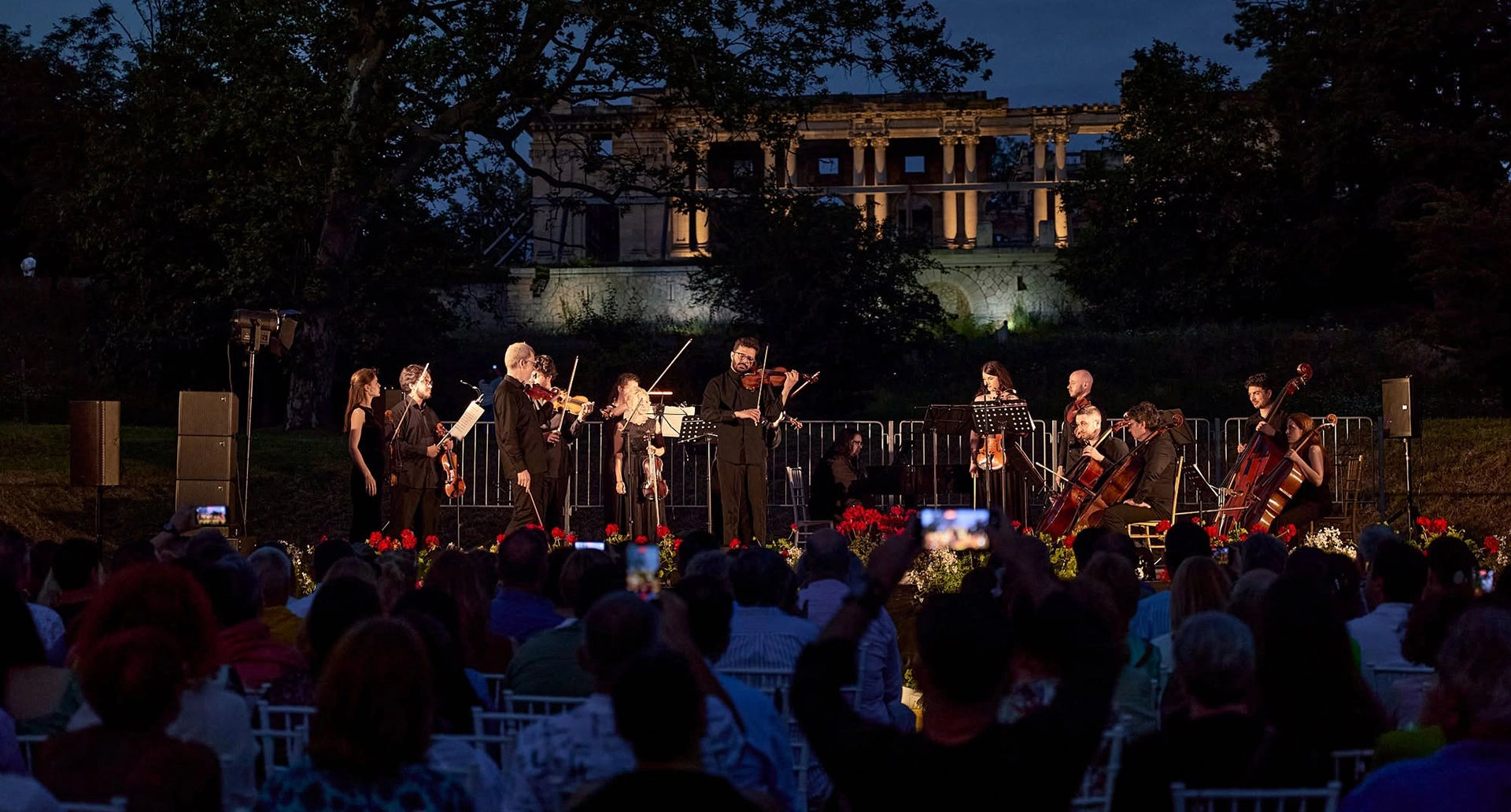
Kamerata Stradivarius during the „Stradivarius at the Cantacuzino Estate” concert (Romania, June 2026)

WIN Alliance: After years of performing on some of Europe’s most prestigious stages, what continues to inspire you to pursue deeper levels of musical excellence?

A.G.: Musicians such as Răzvan and Andreea Stoica, their Kamerata Stradivarius project and the legacy they leave behind is what continues to inspire me. And, musically, I am impressed with what they do! During tonight’s concerto (n.r.: the second day of the „Stradivarius at the Cantacuzino Estate” Festival) we listened to the compositions of Alfred Schnittke, interpreted by Răzvan. He is not really a popular composer with classical music listeners, on the contrary, you have to be open to it in order to enjoy it. 

And they just played it for everybody, in an open-air concert! This is why I think it's courageous. They have courage!

dirijorul-alexander-geluk-04 dirijorul-alexander-geluk-04

Conductor Alexander Geluk during the „Stradivarius at the
Cantacuzino Estate”
concert (Romania, June 2026)

WIN Alliance: You mentioned you are an art collector? What are some of the pieces that you own and what inspired you to start collecting art?

A.G.: I`m mostly just a private collector, because I want to have beautiful, impactful pieces hanging on the wall, but I wouldn`t consider myself an „official” art collector. I do have a friend who is obsessed with this, he's going to gallery openings, he`s attending auctions at various auction houses… But when you start collecting, you just have to keep in mind one thing: the pieces that are going to be in your house are destined to become part of your house`s DNA and, in a matter of speaking, your own DNA. I do have some nice pieces, some contemporary artists, active in the `60s and `70s who have passed away and they're very different in styles. It's very interesting to take part in a gallery tour and I am extremely happy that I was able to visit your beautiful WIN Gallery and to understand the depth, the complexity and the emotion that was hidden behind every artwork. It truly was a wonderful experience!  

Interview by Ioana-Raluca Zamfir,
Visual artist and PhD. in cinema and mass-media